General
July 19, 2026
Worker Housing Requirements for Vision 2030 Mega Projects: What Companies Need to Know
Vision 2030 projects have fundamentally changed the scale of worker housing demand in Saudi Arabia. NEOM, The Line, Qiddiya, The Red Sea Project,
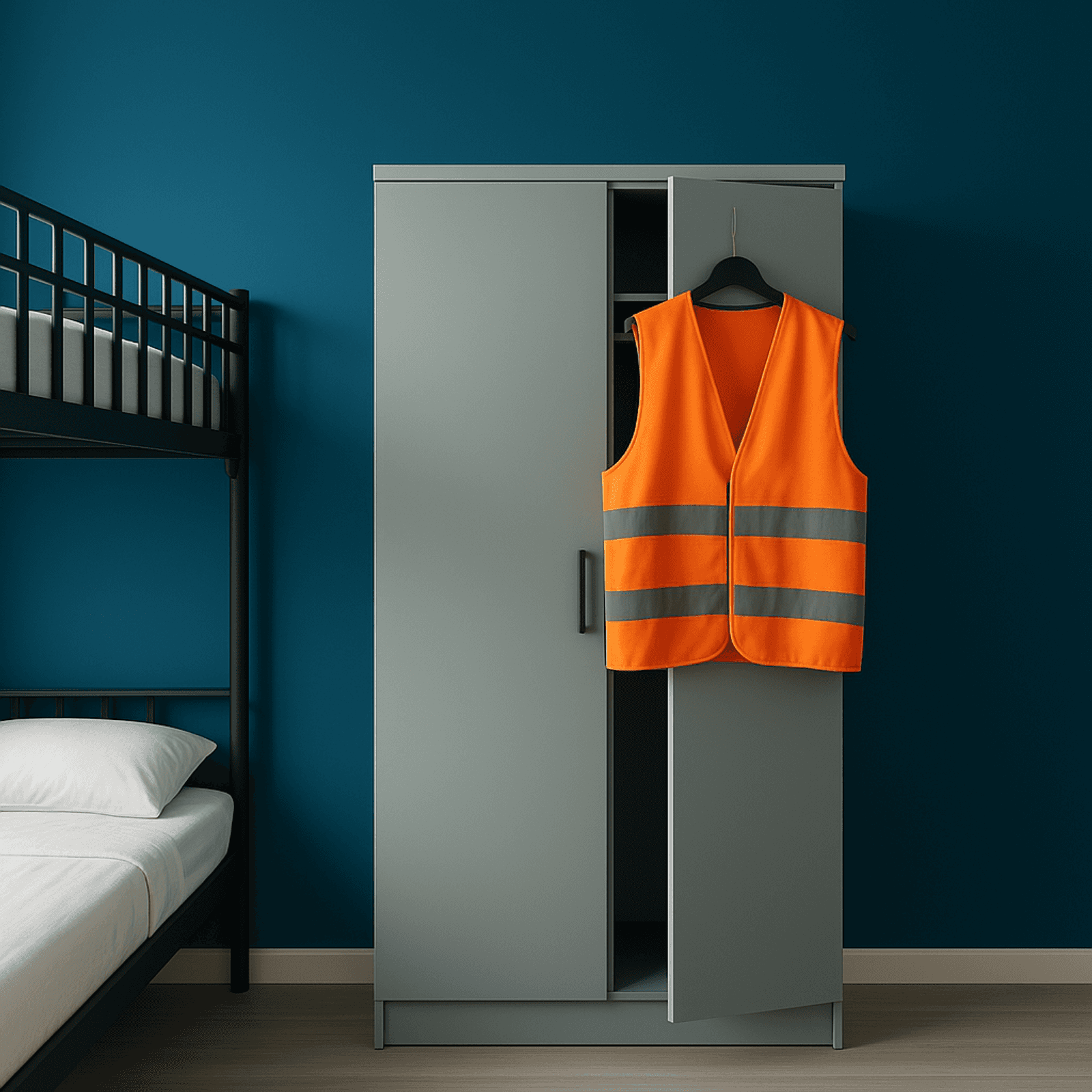
Worker Housing Requirements for Vision 2030 Mega Projects: What Companies Need to Know
Introduction
Vision 2030 projects have fundamentally changed the scale of worker housing demand in Saudi Arabia. NEOM, The Line, Qiddiya, The Red Sea Project, Amaala, Jeddah Central, and other mega projects need hundreds of thousands of workers simultaneously. This means massive demand for organized, licensed housing that complies with strict government requirements.
If you are a contractor, housing operator, or staffing company working on these projects or planning to enter them, understanding the new requirements is essential to avoid violations and secure contracts.
The Scale of Worker Housing Demand
The numbers speak for themselves. Vision 2030 projects need an estimated 1.5 to 2 million additional workers over the coming years in the construction sector alone. NEOM alone currently has more than 100,000 workers on site. Qiddiya needs 50,000-70,000 workers at peak construction. The Red Sea Project and Amaala need 30,000-40,000 workers.
This demand means that: current available housing is insufficient. Cities near the projects do not have enough infrastructure to absorb these numbers. Temporary housing (caravans, modified containers) has become necessary but is subject to strict requirements. Permanent residential compounds need 12-18 months to build.
Housing Requirements for Mega Projects
Mega projects impose standards higher than the government minimum. These requirements vary between projects but agree on several core areas.
Space and Capacity Standards. Government minimum: 4 square meters per worker. Vision 2030 projects require more: 6-8 square meters per worker in some projects. Maximum 4-6 workers per room (instead of 8 in the government standard). Each room has personal storage (a locker per worker). Natural lighting and windows in every room. Central AC or individual units meeting a defined standard.
Sanitary Facilities. One bathroom per 4-6 workers (government standard is 1 per 8). Hot water available around the clock. Independent sewage system or connection to the network. Daily documented cleaning. Mechanical ventilation in every bathroom.
Common Facilities. A dining hall with capacity for at least 30% of total workers (three shifts). A licensed commercial kitchen or catering contract with an approved provider. A mosque or prayer room. A clinic equipped with a resident nurse and first aid equipment. A recreation room (TV, game tables). Sports courts or open spaces. Laundry facilities (manual or machine). A small shop for worker essentials. Internet access (Wi-Fi) in common areas.
Safety and Security. A centralized fire alarm system connected to the control room. Fire extinguishers per standard (1 per 200 square meters). Illuminated emergency exits on every floor and building. Documented quarterly evacuation drills. Round-the-clock security guards. CCTV cameras at entrances and common areas. Electronic access gates (card or biometric). A written and posted emergency response plan.
Environmental Compliance. Organized waste management (sorting, recycling, safe disposal). A wastewater treatment plant at remote sites. Compliance with emissions and noise level standards. Use of environmentally friendly building materials in some projects (NEOM, for example).
Qualification Requirements for Contractors and Housing Operators
To win housing contracts on Vision 2030 projects, you need: a commercial registration that includes collective housing management and operation. An appropriate contractor classification (minimum third category for construction projects). ISO certifications (9001 for quality management, 45001 for safety, 14001 for environmental). Documented experience operating housing at a comparable scale (typically 500 or more beds). Proven financial solvency (bank statements, audited financial statements). Updated social insurance and compliant Saudization ratios. Comprehensive insurance (third-party liability, fire, property damage).
Some projects require additional conditions: partnership with an experienced international operator. Use of an electronic system for occupancy and maintenance management. Commitment to specific sustainability standards (LEED certification or equivalent).
Challenges Unique to Vision Projects
Geographic Location. Many projects are in remote locations (desert or isolated coastal). No existing infrastructure: you need to build electrical, water, and sewage networks from scratch. Logistics are expensive: delivering construction materials, food, and equipment. Harsh climate conditions affect housing design and operation.
Scale and Phasing. Projects start with thousands of workers, peak at tens of thousands, then gradually decline. You need housing that scales fast: prefabricated units, modified containers, equipped tents. You must plan for post-peak: selling, relocating, or converting units.
Multi-Nationality and Cultural Diversity. Workers from 30 or more nationalities on some projects. You need to accommodate diversity in: food (multiple menus), worship spaces, language (signage in multiple languages), and cultural practices (separating housing for incompatible nationalities in some cases).
Inspections and Monitoring. Mega projects have internal inspection teams that visit housing weekly or daily. Strict evaluation criteria: a score below acceptable means a warning, then fines, then suspension. Some projects use digital evaluation systems with results that directly affect contractor payments.
Available Opportunities
The massive demand creates real opportunities. Building and operating residential compounds near project sites. Supplying prefabricated and mobile housing units. Facility management services (cleaning, maintenance, security). Worker catering services (bulk catering). Worker transport services to and from work sites. Technology solutions for occupancy and maintenance management.
The key is early preparation: obtain the required classifications and certifications now. Build a documented track record. Connect with main contractors who need subcontractors for housing management.
How to Prepare
Get Your Documentation Ready. Update your commercial registration to include housing management activities. Obtain ISO certifications if you do not have them. Update your contractor classification. Prepare a professional company profile showcasing your experience.
Build Partnerships. Collaborate with international operators if you need experience in large-scale projects. Partner with prefabricated unit suppliers. Work with technology companies for housing management systems.
Study the Market. Follow tenders on the Etimad platform. Connect with mega project offices (NEOM, Qiddiya, Red Sea). Attend specialized exhibitions and conferences (Cityscape, Big 5 Saudi).
Invest in Training. Train your team on the new standards. Safety, firefighting, and first aid training is mandatory. Training on electronic management systems is a competitive advantage.
Conclusion
Vision 2030 projects have raised worker housing standards in Saudi Arabia to new levels. The standard is no longer just the government minimum but higher requirements covering space, facilities, safety, and sustainability. Companies that prepare now, obtain certifications, and build experience will be positioned to win profitable contracts in a rapidly growing market. Those who delay will find it difficult to compete.
Related articles
Want to get in touch?