




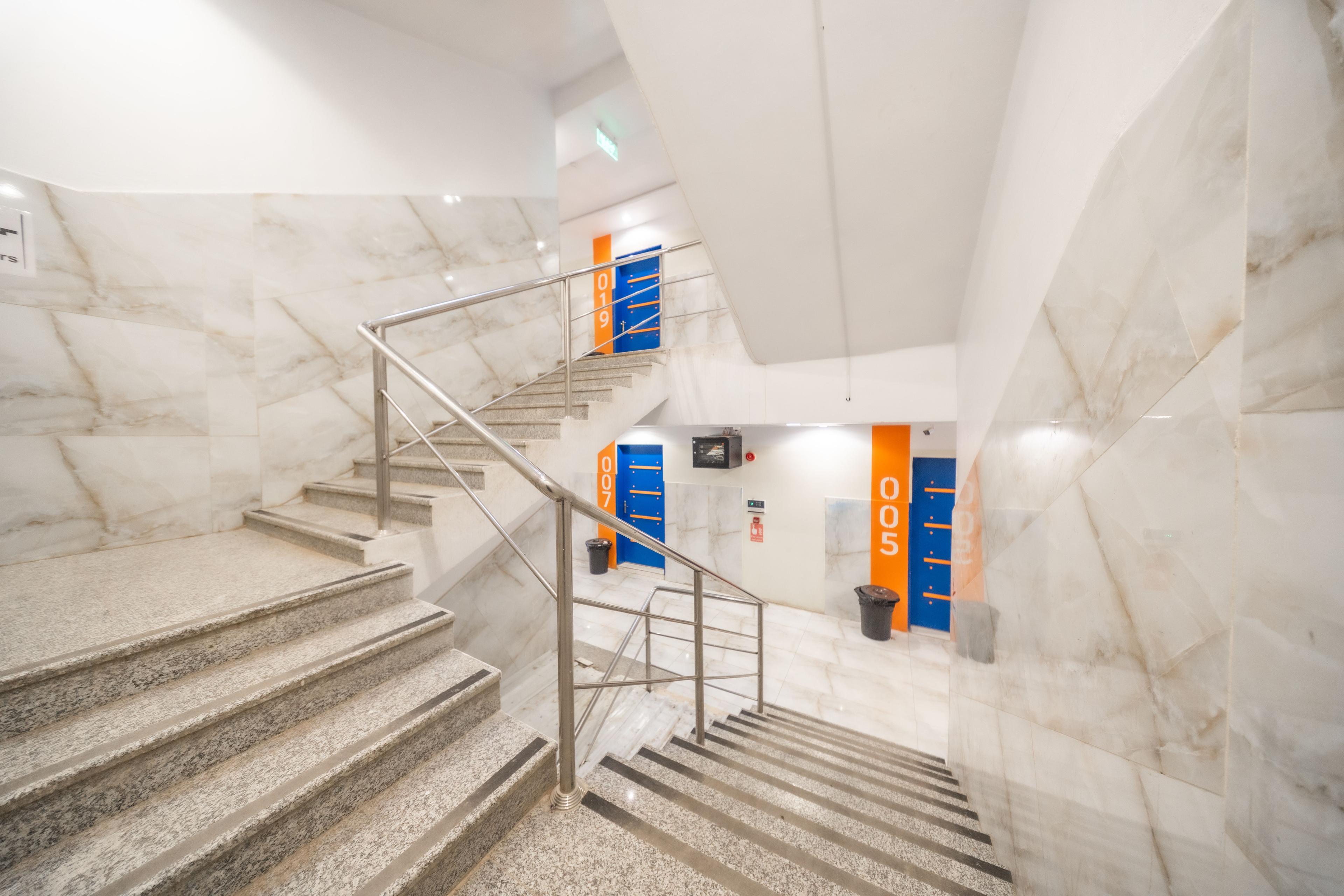
Under the latest Saudi Vision 2030 reforms, workforce accommodation and transportation have moved from voluntary benefits to critical legal mandates. As of February 2026, the Ministry of Human Resources and Social Development (MHRSD) has implemented strict modifications that integrate labor contracts directly with digital judicial enforcement systems. For many firms, navigating the difference between worker and employee housing is the first step toward avoiding immediate operational freezes.
1. The Unified Contract as a Legal Tool
The most significant shift this year is the full rollout of the Unified Employment Contract on the Qiwa platform. Starting March 6, 2026, all existing fixed-term contracts must transition to this model upon renewal to remain legally valid.
- Mandatory Allowances: Contracts must now explicitly define basic salary, housing benefits, and transportation allowances or their cash equivalents.
- Judicial Integration: The wage clause in these documented contracts is now an enforceable instrument linked directly to the Ministry of Justice.
- Faster Claims: Employees can file non-payment claims directly with the Enforcement Court via the Najiz Portal. Employers have only five days to settle the debt before facing potential bank account freezes.
2. Navigating Compliance with Mnzil
As digital ecosystems become more interconnected, the operational burden on companies has increased. This is where specialized platforms like Mnzil provide a critical buffer.
As a comprehensive workforce services marketplace, Mnzil helps enterprises secure high-quality solutions at scale. Utilizing a tech-powered platform ensures your arrangements meet the high standards demanded by the 2026 Saudi labor regulations.
3. Housing Quality and Digitization
In 2026, simply providing a room is insufficient. Establishments with 20 or more workers must issue formal licenses through the Balady platform.
- QR Code Licensing: All collective housing must be licensed via Balady to ensure it meets technical and safety requirements.
- Strategic Sourcing: Mnzil’s approach allows businesses to secure flexible, affordable housing that is pre-verified. This is vital for companies deciding between near-site vs. off-site housing to manage logistics and budgets.
4. Transportation and Safety Standards
The Transport General Authority (TGA) has introduced new reliability measures for 2026 to enhance passenger safety and driver accountability.
- Biometric Tracking: Mandatory facial biometric verification is being phased in for specialized transport drivers to ensure identities match registered records.
- Operation Cards: Any transport vehicle over 3.5 tons must maintain a valid TGA Operation Card. Non-compliance results in immediate vehicle impoundment and heavy fines for the employer.
5. Financial Penalties for Violations
The 2026 penalty schedule is designed to enforce immediate compliance.
| Violation Category | Penalty Per Worker/Incident |
|---|---|
| Housing Violations | Fines for non-compliance with Balady licensing |
| Undocumented Contracts | SAR 3,000+ per worker and loss of judicial protection |
| WPS Inaccuracies | Suspension of MHRSD services (Visas/Transfers) |
External Regulatory Links
- Qiwa Platform: Manage Employment Contracts
- Najiz Portal: File Enforcement Requests
- Ministry of Municipalities and Housing: Housing Regulations and Licensing
- Transport General Authority: Vehicle and Driver Licensing