

Explore our collection of articles, guides and insights to optimize your worker accommodation strategy.

Most companies planning worker housing across the south make the same mistake before they place a single order. They treat Asir, Jazan and Najran as one region with one spec, one bed rate and one procurement timeline. It is not one region. It is two climates stacked on top of each other, split by the Sarawat escarpment, plus an isolated mining and logistics market three hundred kilometers to the east.

Companies planning worker accommodation in the north almost always make one of two mistakes. Either they treat Arar, Sakaka, Rafha, Turaif, Al Qurayyat, Umluj and Al Wajh as one undifferentiated "northern market" and buy a single housing spec for all of it, or they take a Riyadh procurement playbook, fast supplier swaps and same-week maintenance calls, and try to run it a thousand kilometres from the capital. Both mistakes surface the same way: a bed shortage in peak season, a maintenance ticket sitting open for two weeks because the part has to travel from Riyadh or Jeddah, or a Civil Defence inspector closing a converted farmhouse the week before mobilisation.

Most compliance failures in worker accommodation are not caused by employers ignoring the rules. They are caused by employers satisfying one authority and assuming that covers the rest. A company passes a Civil Defence inspection, then receives a municipal notice because the property was never licensed for worker accommodation as an activity. Another holds a clean municipal licence and is still cited by labour inspectors over occupancy. Both believed they were compliant, on one surface out of several.

Most companies arriving in Qassim have run accommodation in Riyadh first, and they bring the Riyadh model with them. Sign a twelve month lease, fill the beds, run a bus, done. The north does not work that way. The workforce curve is set by the harvest rather than a construction programme, licensed stock outside two cities is thin, the nearest emergency bed is often three hundred kilometres away, and the building you inspected in August will be cold enough in January to become a welfare problem.
Most companies inspect a building the way they inspect a hotel room. They look at the paint, the air conditioning, the size of the rooms, and the price per bed. Then they sign. Six months later an inspection team arrives, the building is found to be operating without a valid permit for collective accommodation, and the company that rented it is the one explaining to a project manager why ninety men have nowhere to sleep tonight. The landlord takes a fine. The renter takes the operational hit, and that is the expensive part.

Companies that have run labour accommodation in Riyadh or the Eastern Province arrive in Makkah expecting the same playbook and find that half of it does not apply. The buildings look similar. The bed count works out the same on paper. Then the first mixed crew arrives and part of it cannot legally live in the building you leased, Hajj season lands and the landlord wants a different number, and the bus that took twenty five minutes takes ninety because three roads are closed for pilgrim traffic. The western region has its own rules, and most of them are not written on the listing.

The part of worker housing that costs companies the most is not the rent. It is the operation. A building with a hundred residents generates work every single day: rooms to clean, air conditioners that fail in July, a water pump that stops at midnight, buses that need to leave at the right time, meals that have to arrive hot, residents checking in and out, and inspectors who can arrive without notice.

Most companies looking for worker housing in Saudi Arabia start with a simple question. How quickly can we get eighty people housed in Riyadh, and what will it cost? The answer depends almost entirely on how much of the work the provider absorbs and how much stays on your desk.
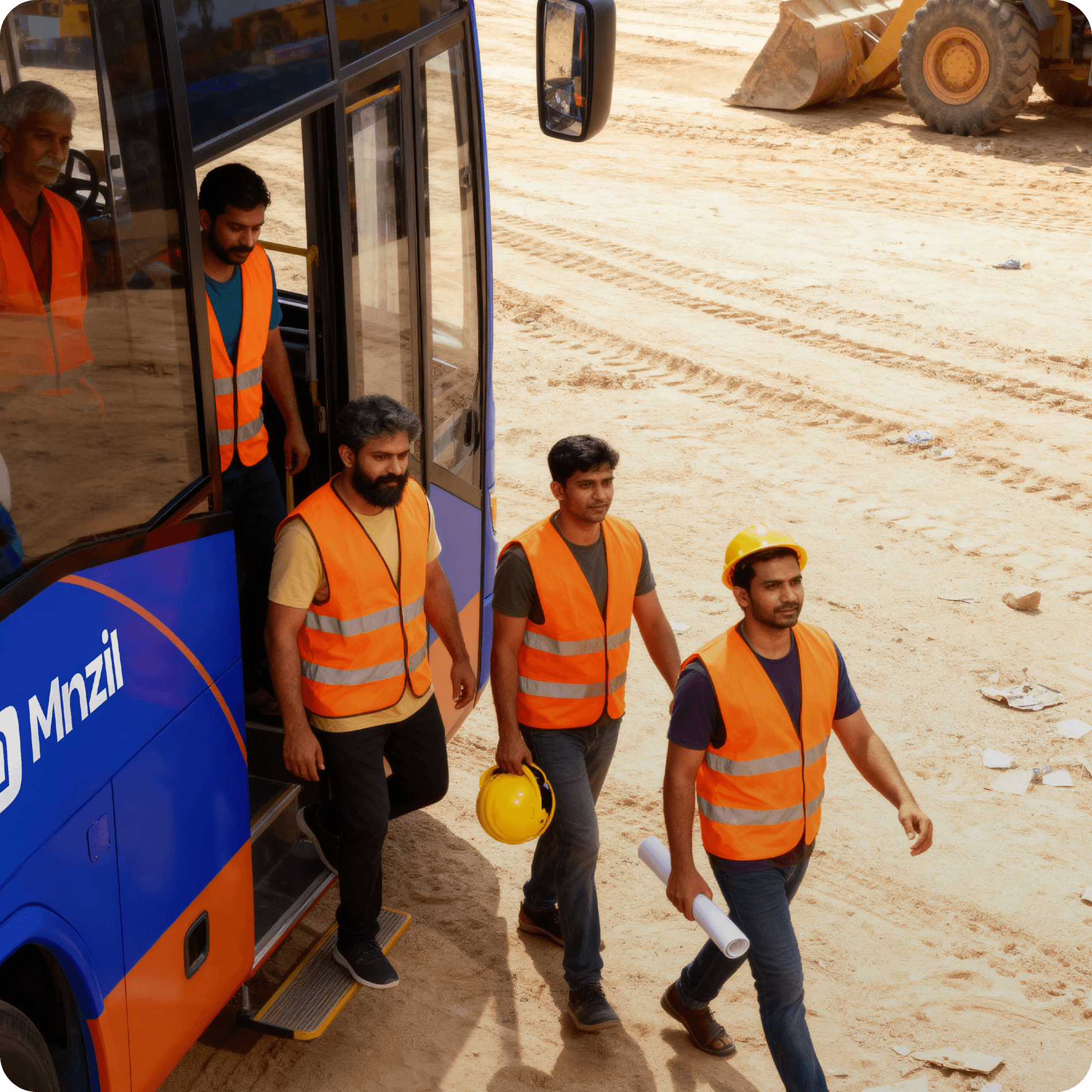
A contractor wins a substation upgrade in the Eastern Province. The scope runs twenty months. Headcount starts at forty, climbs past three hundred at peak, then falls to sixty for commissioning. Somewhere in the mobilization plan sits a line called "labour accommodation," and how it is handled decides whether the project holds its margin.

Most companies do not get into trouble over worker housing because they refused to provide it. They get into trouble because they rented a building that was never fit for the purpose, signed a lease that said nothing about compliance, and then discovered that when an inspector writes up a violation, the file lands on the employer. The landlord keeps collecting rent. You get the corrective order, the deadline, and the problem of where two hundred men will sleep next week.

Choosing the wrong worker housing provider costs more than just high rent. Non-compliant housing means fines. Poor maintenance means worker complaints. A remote location means extra transport costs and daily delays. Companies that select their housing provider based on price alone end up with higher total costs.
Transporting workers between their accommodation and job sites is a direct employer responsibility in Saudi Arabia. Late arrivals mean lost work hours. Accidents mean legal and financial liability. Non-compliance with Transport General Authority (TGA) requirements means fines starting at SAR 5,000 and reaching SAR 50,000.

Worker housing within residential neighborhoods is one of the most sensitive topics in Saudi real estate regulation. On one hand, companies need to house workers near job sites. On the other, residents complain about noise, overcrowding, and changes to neighborhood character. Municipal regulations have set specific controls to manage this relationship. This guide explains everything about worker housing in residential areas: when it is permitted, what the conditions are, and how to avoid violations.

Setting up worker rooms is not just placing beds in an empty space. Saudi regulations define precise standards for space per worker, permitted furniture types, ventilation, lighting, and personal storage. Violating these standards exposes employers to fines from the municipality and the Ministry of Human Resources and may lead to facility closure. This guide covers everything you need to know about setting up worker rooms correctly from the start.

Worker housing costs rank among the largest operational expenses for companies in Saudi Arabia, especially in construction, operations and maintenance, and industrial sectors. Many companies calculate only the rent and then face additional costs that push the actual expense 40 to 60 percent above expectations. This guide covers every cost component, average prices by city, and hidden costs that must be calculated before signing any lease.

Safety regulations for shared housing in Saudi Arabia are not optional. The Ministry of Municipalities and Housing updated the Guide for Health, Technical, and Safety Conditions in Collective Housing for Individuals in 2025, and enforcement has intensified. Non-compliance exposes employers to financial penalties, facility closures, and commercial activity suspensions.
Transporting workers from their housing to the worksite every day seems simple, but it consumes a significant budget and directly impacts productivity. A 30-minute bus delay means 30 minutes of lost work from every worker on that trip. Over a month, the numbers add up.

Moving workers from one accommodation to another is a decision most companies in Saudi Arabia face sooner or later. Lease expiration, project location changes, rising costs, or failure to meet updated regulations all push companies toward relocation. But executing a move without proper planning causes work delays, financial losses, and worker dissatisfaction.

Worker housing is one of the most active real estate sectors in Saudi Arabia. Growing demand driven by Vision 2030 mega-projects and expansion across construction, services, and logistics makes this property type an attractive investment opportunity. This guide covers the steps to buy or build a worker housing project, expected costs, returns, and risks to consider.

Jeddah is Saudi Arabia's second-largest city, home to over 4 million people including a significant expatriate workforce. Demand for worker housing in Jeddah is high due to the concentration of commercial, industrial, and service projects, particularly with Vision 2030 developments across the Western Region. This guide covers the best areas for worker housing in Jeddah, average pricing, and the factors to consider when selecting accommodation.

Worker housing design goes beyond placing beds in rooms. Good design directly impacts worker productivity, health, and satisfaction while reducing regulatory violations and maintenance costs. Many companies rent housing without examining the floor plan, only to discover ventilation problems, overcrowding, or insufficient bathrooms later. This guide covers the regulatory standards for worker room design and shared facilities, along with practical improvements that reduce operating costs.

Worker housing violations are among the most costly compliance risks for companies in Saudi Arabia. With tightened enforcement from the Ministry of Municipal Affairs, the Ministry of Human Resources, and Civil Defense, fines range from SAR 5,000 to over SAR 100,000 per violation. Repeat offenses can lead to facility closure and service suspension. This guide covers the most common violation types, the fines attached to each, and practical steps to keep your company compliant.
Most companies in Saudi Arabia rent their worker housing. But some companies, particularly those with a large and stable workforce, start considering buying worker accommodation instead. The decision is not straightforward: buying requires significant upfront capital but may save money long-term, while renting offers flexibility but costs accumulate over time.
Jeddah is Saudi Arabia's second-largest market for worker housing after Riyadh. The commercial port, large infrastructure projects, and proximity to Makkah keep demand for labor accommodation steady year-round. But Jeddah has its own characteristics: a long north-to-south layout stretching over 80 kilometers, wide price variations by neighborhood, and municipal regulations that differ from other cities.

Daily meal catering for workers is one of the most repetitive and sensitive operational tasks. A single bad meal affects worker health and productivity, and a non-compliant catering provider exposes your company to health violations. This guide covers the types of worker catering services available in Saudi Arabia, how to choose the right provider, and expected costs.

Riyadh is the largest worker housing market in Saudi Arabia. Thousands of companies search for suitable accommodation across the city's districts, and options vary widely by location, price, and service level. This guide covers the best areas for worker housing in Riyadh, average pricing, licensing requirements, and how to choose the right location for your project.

Finding worker housing in Riyadh, Jeddah, or Dammam is difficult but manageable because supply exists. The real problem shows up when your project is in Al Sulayyil, Muhayil, Thuwal, Arar, Bisha, or Ranyah. Smaller cities and remote areas have limited options, scarce information, and fewer service providers.

Managing worker housing takes time, resources, and regulatory knowledge. Many companies start by handling accommodation in-house, then realize the task is bigger than expected: maintenance, cleaning, security, compliance, catering, worker complaints, and license renewals. At that point, hiring a specialized facility management company becomes a practical option worth evaluating.

Worker housing cities have become a core part of the workforce accommodation system in Saudi Arabia. With tightening regulations on worker housing within family residential neighborhoods, companies are increasingly turning to dedicated worker compounds and cities.

The Worker Housing Regulation is the primary framework governing how employers house their workers in Saudi Arabia. Issued by the Ministry of Human Resources and Social Development (MHRSD) in coordination with the Ministry of Municipal and Rural Affairs and Housing, it sets minimum standards for space, facilities, safety, and hygiene in any worker accommodation.
Staff accommodation is one of the largest operational challenges facing companies in Saudi Arabia, particularly in construction, services, and industrial sectors. Every company employing expatriate workers needs a housing solution that balances cost, regulatory compliance, and living standards that keep the workforce stable.

Providing worker housing in Saudi Arabia involves far more than renting a building and setting up beds. Multiple government authorities enforce detailed requirements covering everything from room dimensions to fire safety systems. The Ministry of Human Resources and Social Development (MHRSD), municipal authorities, and the General Directorate of Civil Defense each impose specific standards. Non-compliance results in fines ranging from SAR 5,000 to SAR 200,000, along with potential closure of the accommodation and suspension of recruitment services.
Vision 2030 projects have fundamentally changed the scale of worker housing demand in Saudi Arabia. NEOM, The Line, Qiddiya, The Red Sea Project,

Feeding your workforce is not just about putting food on a plate. Companies managing worker housing face a daily challenge: how to provide regular, healthy, and varied meals for a large number of workers at a reasonable cost.
The number of worker housing companies in Saudi Arabia has doubled in recent years with the expansion of Vision 2030 projects and stricter enforcement of collective housing regulations.

Replacing a single worker in Saudi Arabia costs between SAR 15,000 and SAR 30,000 when you factor in recruitment, training, visa processing, and the low-productivity period. Contracting and service companies dealing with high turnover rates spend massive amounts on repeated replacements instead of investing in better housing conditions. The connection between housing quality, worker satisfaction, and job stability is direct and measurable.

A practical guide to worker housing design and floor plans covering regulatory standards, room layouts, bathroom and kitchen planning, common areas, AC systems, and safety requirements for optimal operational efficiency.

A comprehensive guide to obtaining a worker housing permit in Saudi Arabia covering prerequisites, required documents, step-by-step applications to the municipality, Civil Defense, and Qiwa platform, plus costs and expected timelines.

The worker housing market in Saudi Arabia has plenty of options: rented buildings, large compounds, traditional brokers. But most of these options put the bulk of the work on the client company: you search, you negotiate, you manage, you solve problems. Mnzil operates on a different model. The platform handles everything from sourcing to daily operations.

Managing worker housing is not just about providing beds. Companies handling dozens or hundreds of workers know that housing involves complex daily operations: maintenance, cleaning, transport coordination, and meal provision. Each part requires constant follow-up, and any gap directly impacts worker productivity and satisfaction.

If you run a mid-size contracting company and need housing for your workers, the task is more complicated than finding a cheap apartment. Government enforcement of collective housing regulations means any option you choose must be licensed and compliant. And the real cost is not just monthly rent but includes transport, meals, maintenance, and potential fines.
Many companies in Saudi Arabia own or lease worker housing but struggle to manage it day to day. Cleaning standards drop. Maintenance falls behind. Violations repeat. Workers complain. The solution that many companies turn to is contracting a specialized external provider for labor camp and worker housing management.

Relocating worker housing from one location to another is a decision many companies in Saudi Arabia face. Sometimes because the lease has expired. Sometimes because of government decisions to clear housing from residential neighborhoods.

Feeding workers in collective housing is not just about providing a daily meal. It is a core part of the work environment that directly affects team productivity, health, and satisfaction with the company.
Companies operating in Saudi Arabia need reliable, compliant worker housing. Whether your team is 50 workers on a local project or 1,000+ on a large-scale operation, the right accommodation directly affects productivity, retention, and regulatory compliance.
Most companies in Saudi Arabia focus on finding worker housing and overlook the harder part: managing it day to day.
Demand for worker housing in Saudi Arabia is rising sharply due to Vision 2030 mega projects, construction sector expansion, and tighter government enforcement of housing regulations. Building or operating a worker housing project is a real investment opportunity, but it requires careful planning and a clear understanding of licensing, costs, and daily operations.
If you have reached this page, you have decided to buy. We will not discuss whether buying is better than renting. This guide focuses on the practical steps of purchasing worker housing in Saudi Arabia: where to search, how to evaluate the property, what to verify before signing, and how to avoid mistakes that many buyers fall into.

Getting the floor plan right from the start saves you from problems down the line. A poor layout means Balady fines, daily operational headaches, and unhappy workers. A well-planned layout means faster licensing, smooth operations, and lower maintenance costs.

A complete guide to worker housing options across Saudi Arabia's Eastern Province — Dammam, Khobar, Jubail, Dhahran, Buqayq, and Khafji. Covers available districts, pricing, and licensing requirements for industrial zones and urban areas.
Should your company buy or rent worker housing in Saudi Arabia? This guide compares both options across cost, flexibility, operations, and returns with real numbers.

Worker housing violations are among the most frequently issued citations during municipal and labor inspections in Saudi Arabia. Regulatory bodies include municipal authorities, the Ministry of Human Resources, and Civil Defense.

Female worker housing in Saudi Arabia is subject to requirements that differ from general worker housing. With increasing numbers of female workers in manufacturing, hospitality, services, and retail sectors under Vision 2030, providing suitable, regulation-compliant housing has become a practical necessity.
What sets apart worker housing providers with integrated compound management? Learn about comprehensive management services and what you need to know before contracting a housing provider in Saudi Arabia.
Discover the top worker housing companies in Saudi Arabia and how to choose the right provider. A comprehensive guide covering selection criteria, licensing, and integrated worker accommodation services.
Worker rooms are the fundamental unit of any collective housing facility. This guide covers worker room specifications in Saudi Arabia.

Saudi Arabia's worker housing regulation is the official framework that defines what every company must follow when providing accommodation for its workforce. This guide breaks down the regulation in detail — from building specifications to enforcement bodies and penalties.

Some companies house workers in residential family neighborhoods to save costs or stay close to project sites. But Saudi regulations draw a clear line between family housing and collective worker accommodation. Fines reach up to 100,000 SAR with immediate eviction and government service suspension. This guide explains the rules and compliant alternatives.

Worker housing inspections in Saudi Arabia are not a formality. Fines start at 10,000 SAR and can reach 100,000 SAR with immediate closure. This guide covers the most common violation types, which authorities conduct inspections, and practical steps to avoid penalties before they happen.
Mnzil provides integrated worker housing for contractors in Saudi Arabia and the UAE. One contract covers accommodation, catering, and daily transport near your project site, with pay-per-bed pricing that scales with your actual workforce size
An integrated worker housing solution covers accommodation, catering, and transportation under one contract. This guide breaks down six selection criteria, compares provider models in KSA and UAE, and lists seven questions to ask before signing.


What companies need to know about female worker accommodation in Saudi Arabia in 2026. Regulations, supply gaps, costs, and how Mnzil supports female worker housing.

Complete guide to worker accommodation in Dammam and Khobar for 2026. Aramco standards, costs, and how Mnzil supports companies with worker housing.
Complete guide to worker accommodation in Jeddah for 2026. Top areas, costs (SAR 300-1,500/bed), regulations, and how Mnzil helps companies find compliant worker housing.

Discover how Mnzil's real estate development model turns your land into profitable worker housing. Learn about the 14% profit share partnership and why RED is a smart investment in Saudi Arabia.

Complete guide to worker accommodation in Dammam and Khobar for 2026. Eastern Province industrial areas, Aramco standards, costs, heat challenges, and how Mnzil supports companies with worker housing solutions.
Discover how Mnzil's real estate development model turns your land into profitable worker housing. Learn about the 14% profit share partnership, high-demand worker accommodation sector, and why RED is a smart investment in Saudi Arabia.

Ensure 2026 TGA compliance with Mnzil. Learn about TGA facial biometrics, Qiwa March 6 deadlines, and SAR 20,000 fines for unlicensed transport.
Explore Mnzil’s comprehensive fleet. We provide workforce transport buses in various capacities (15, 30, and 50+ seats) with all-inclusive operational services to ensure your project’s efficiency across Saudi Arabia.
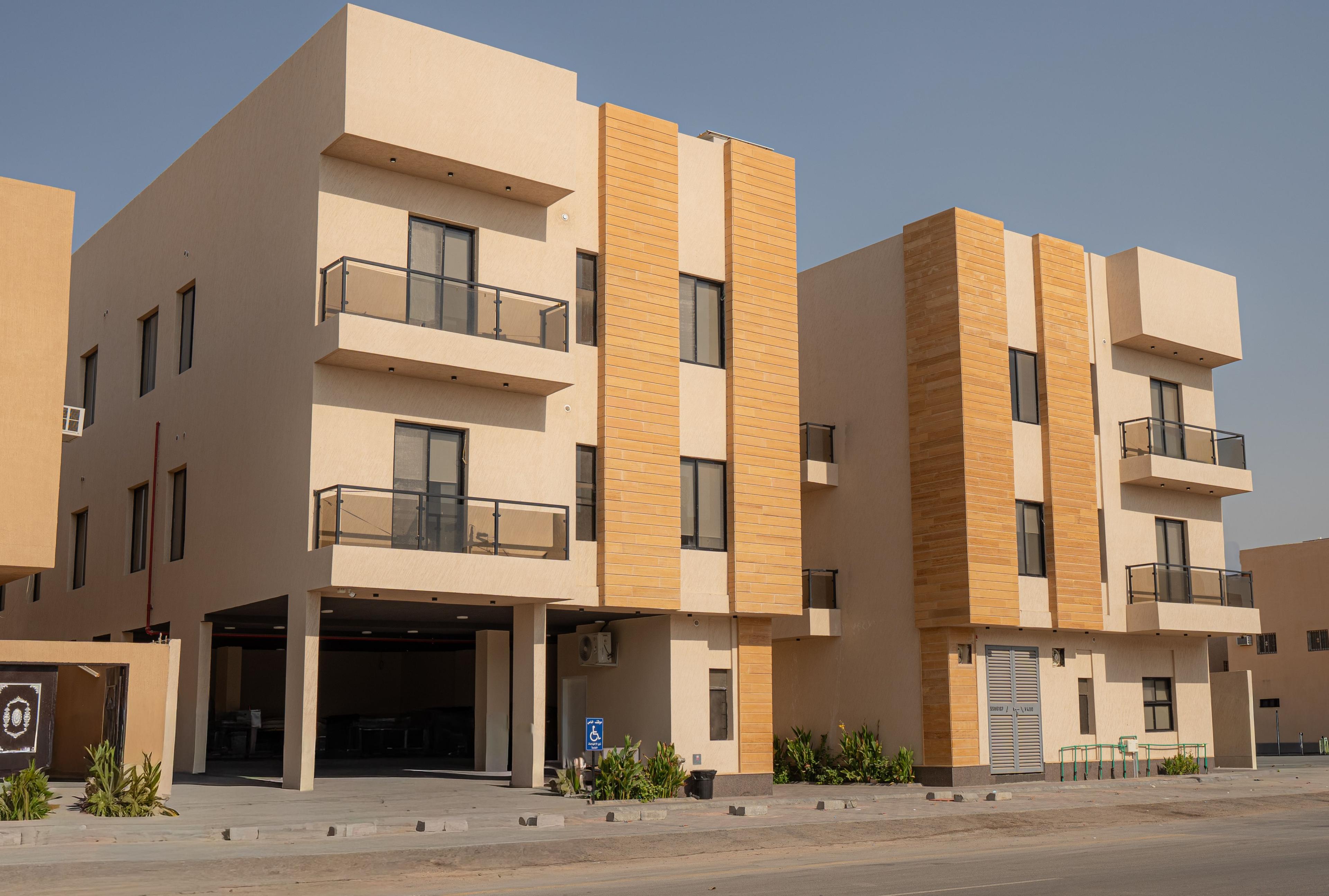
Explore the best areas for workforce housing in Jeddah, including Al-Khumra, MODON, and Usfan. Optimize costs and ensure compliance with our 2026 guide
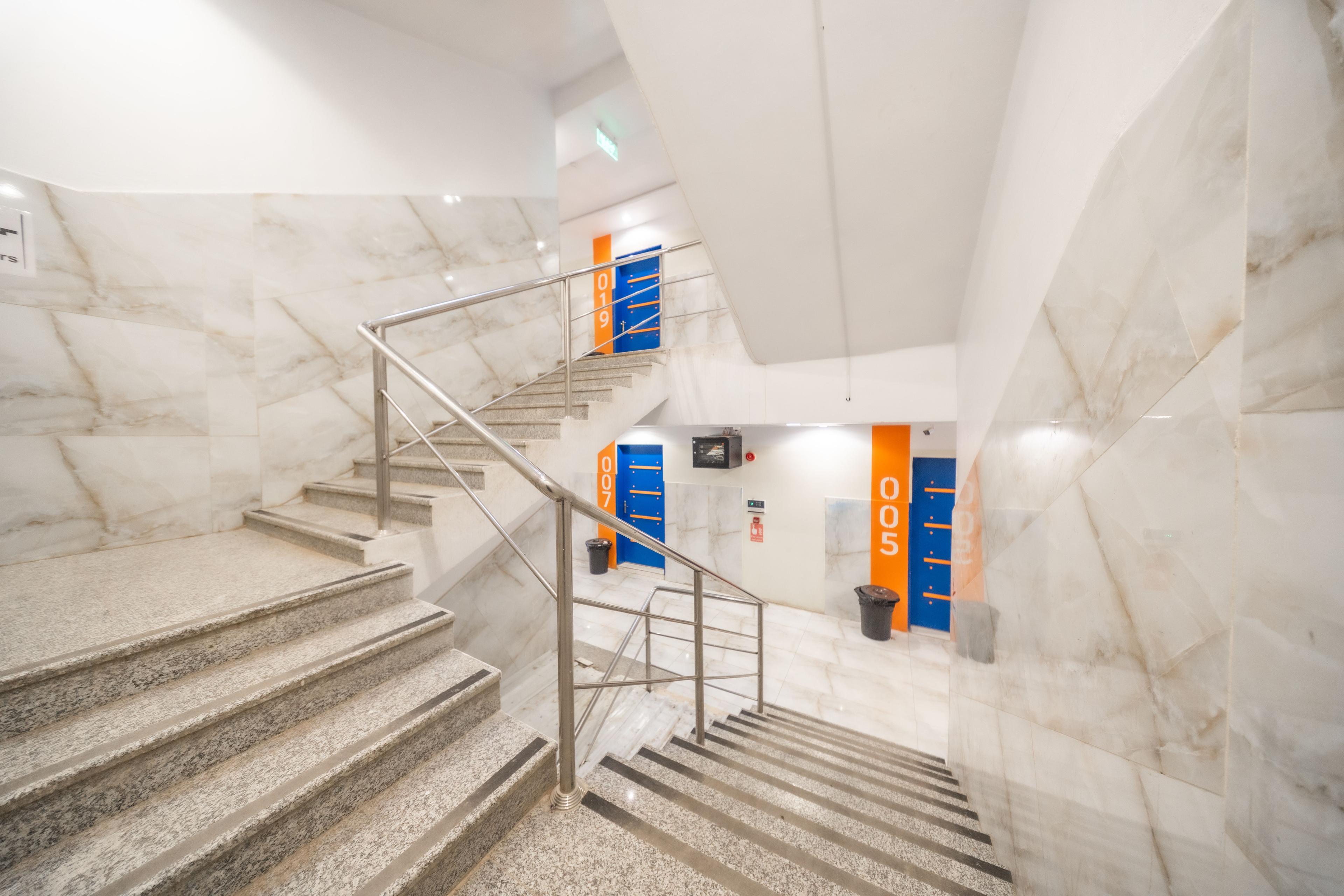
The new Saudi Labor Law mandates documented housing and transport. Learn about the March 2026 Qiwa updates and how to avoid SAR 3,000 per-worker fines.
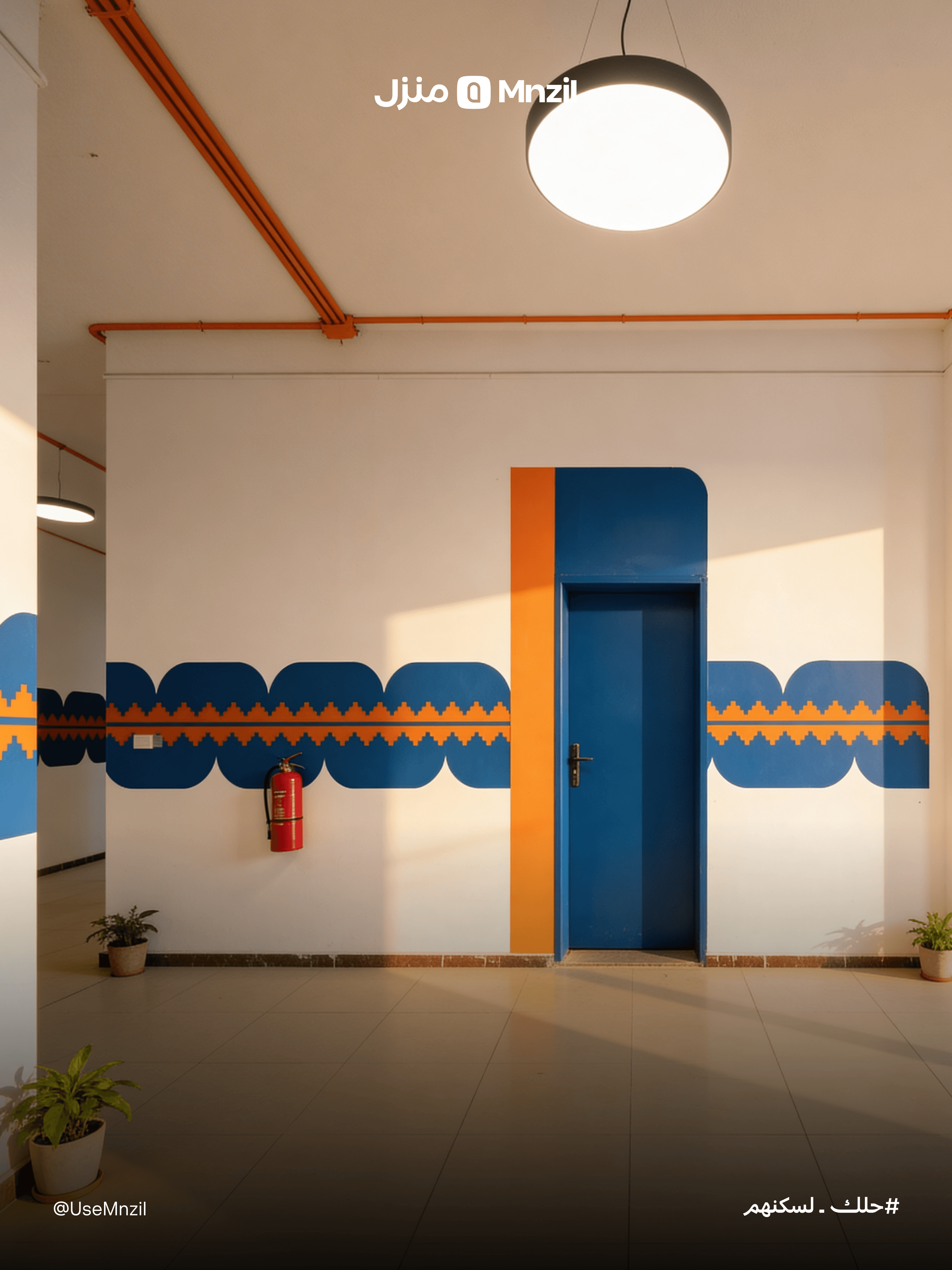
Discover the best integrated worker housing solutions (accommodation + transport + ready meals for companies) with Mnzil to boost productivity and reduce operational costs.

A complete guide to workers housing in North Riyadh, including top districts, labor housing regulations, compounds, transportation, and corporate meal services.
Is buying staff buses a smart investment for your company? Compare fleet ownership with Mnzil’s managed solutions regarding maintenance and ROI
Learn the key standards for selecting worker housing in Saudi Arabia. From QR code compliance to flexible 6-24 month contracts, ensure your project's success.
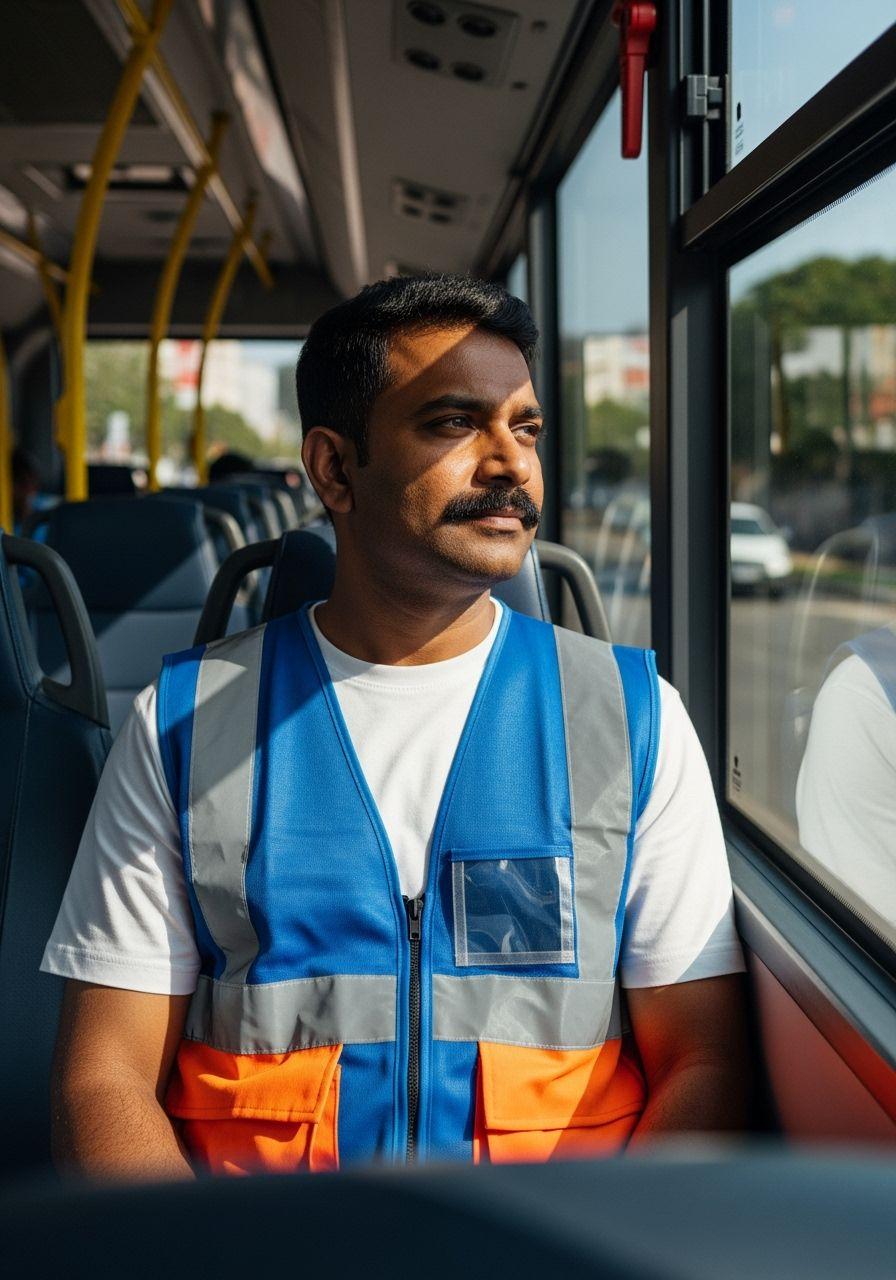
Explore the difference between near-site and off-site worker housing, and which fits best based on project budget, employee comfort, and daily operations. A practical guide for companies.

Learn the importance of workforce transportation and how to improve team arrival efficiency. Explore shared and dedicated transport services to reduce costs.
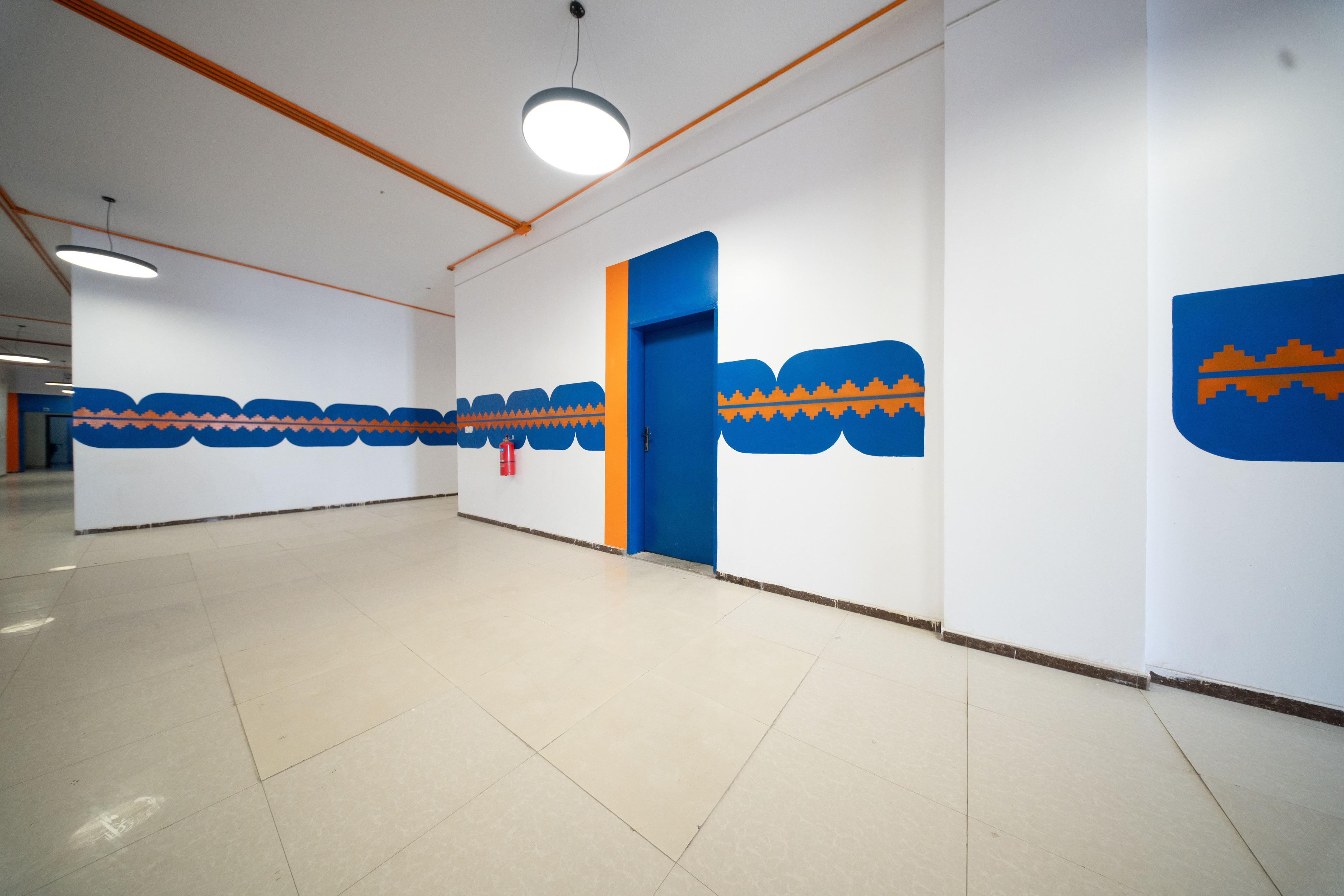
Understanding the difference between worker housing and employee housing helps companies choose the right setup for comfort, privacy, and long term team stability.
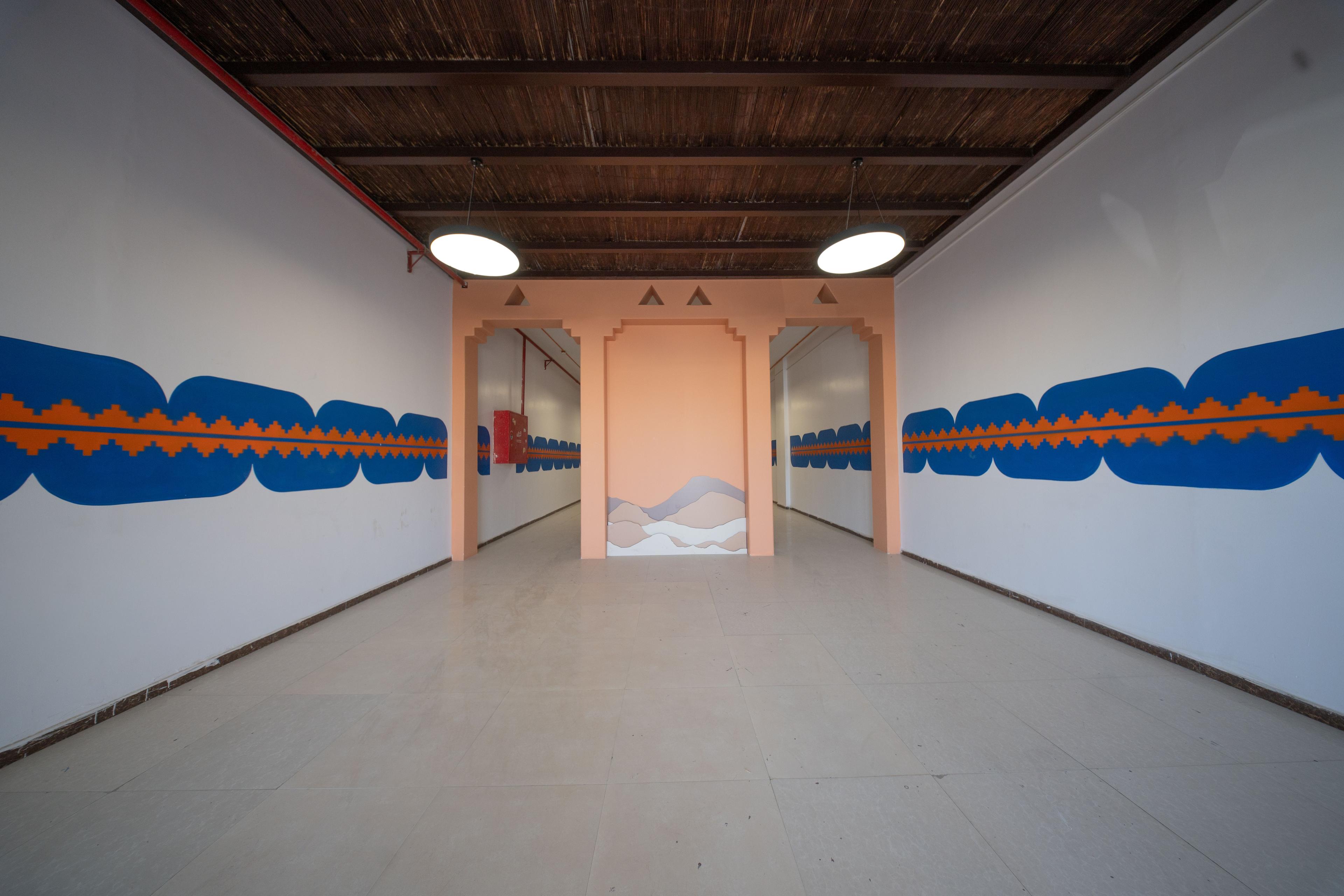
Discover the concept of worker accommodation and how it helps companies reduce costs and boost productivity. Explore types of staff housing and integrated logistics for teams in Saudi Arabia.